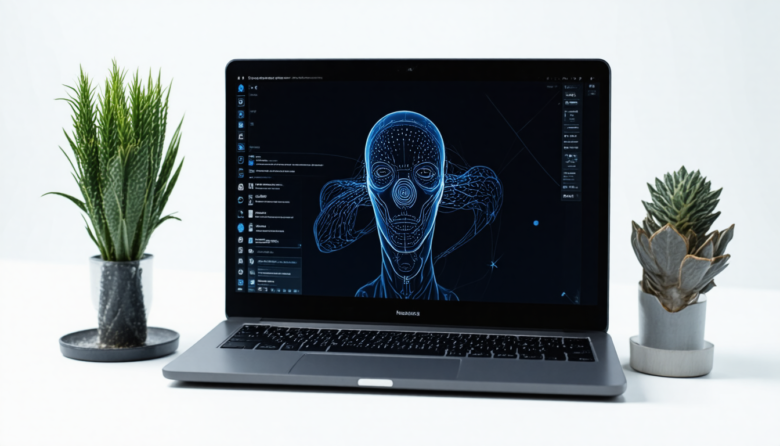
In the ever-evolving landscape of technology, 2026 brings the spotlight to a new contender in personal computing: AI PCs. As artificial intelligence continues to integrate into our daily lives, AI-powered computers offer impressive advancements over traditional laptops. Users face the critical decision of whether to upgrade, especially when balancing cost, performance, and future-proofing. Navigating this choice can be overwhelming, as technology enthusiasts and professionals alike seek to understand the tangible benefits of AI PCs.
Imagine a world where your PC anticipates your needs, optimizes tasks, and personalizes your experience more than ever before. Many users in 2026 are experiencing this, while others are left pondering whether now is the time to make the leap. Whether you’re a student bogged down with multitasking or a professional seeking efficiency, the shift to AI-driven systems could transform your digital life.
This article promises to address your concerns by diving into the specifics of AI PCs versus traditional laptops. We’ll provide a clear, actionable guide to help you decide on upgrading this year. With insights tailored to the current technological climate, you’ll have the knowledge needed to make an informed decision.
Why This Problem Happens / Why This Topic Matters
- Rapid AI Integration: AI technology has rapidly advanced, with more integration into consumer products, making AI PCs a viable option.
- Performance Gaps: Traditional laptops are struggling to keep up with the demands of modern applications, which require more processing power and efficiency.
- Consumer Expectations: Users expect more from their devices, including better multitasking capabilities, personalized experiences, and smarter features.
- Market Trends: The tech industry is pushing towards AI-driven solutions, influencing market availability and consumer choices.
Step-by-Step Core Guide / Main Solutions
Assess Your Needs and Current Setup
Understanding why you need a new device is crucial. Evaluate your current laptop’s performance. Is it lagging during critical tasks? Consider your primary use cases, such as gaming, professional software, or general browsing.
Research AI PC Features
AI PCs offer unique features like predictive analytics, voice recognition, and adaptive performance. Research models that are tailored to your needs, leveraging resources like tech reviews and forums.
Compare Specifications
Traditional laptops often lag in processing power and efficiency compared to AI PCs. Compare key specs like RAM, CPU, and AI integration features. Prioritize what matters most for your use, whether it’s speed, storage, or user experience.
Evaluate Long-Term Value
While AI PCs may have a higher upfront cost, consider the long-term benefits. They offer enhanced productivity, longevity, and adaptability to future software updates.
Test AI Capabilities
If possible, test AI PCs at local tech stores. Experiencing features like voice commands, predictive text, and automated task management firsthand can help you understand their practical benefits.
Consult Professionals
Seek advice from tech professionals or forums to gain insights into user experiences and potential pitfalls. Their expertise can guide your decision more effectively.
Budget Planning
Determine a realistic budget for upgrading. Consider financing options or trade-in programs that might make an AI PC more accessible.
Explore Software Compatibility
Ensure that the software and applications you rely on are compatible with AI PCs. Most modern programs are optimized for AI integration, but checking compatibility is essential.
Pro Tip: Look for Hybrid Solutions
Some models offer hybrid features, combining AI capabilities with traditional laptop functions, providing a balanced approach for hesitant upgraders.
Advanced Optimization / Expert Tips
- Leverage AI for Personalization: Use built-in AI tools to customize your PC’s settings, improving efficiency and user experience.
- Optimize Performance Settings: Regularly update software to maintain optimal performance. AI PCs often have auto-update features to ensure you’re always on the latest version.
- Utilize Cloud Integration: Many AI PCs seamlessly integrate with cloud services, offering enhanced storage options and security.
Long-Term Maintenance / Best Practices
- Regularly update your OS and AI software.
- Perform periodic hardware checks to ensure longevity.
- Utilize inbuilt AI diagnostics tools for system health.
- Keep data backed up and secure with AI-enhanced security protocols.
- Engage in community forums for the latest AI tips and updates.
Frequently Asked Questions
What is an AI PC?
An AI PC is a computer that utilizes artificial intelligence to enhance performance, personalize user experiences, and automate tasks.
Are AI PCs worth the investment in 2026?
Yes, they offer advanced features, improved efficiency, and long-term value, making them a worthwhile investment for many users.
Can traditional laptops compete with AI PCs?
While traditional laptops have their place, AI PCs offer superior performance and adaptability, especially for power users.
Do AI PCs support all software applications?
Most modern software applications are compatible with AI PCs, but it’s important to verify specific requirements for niche programs.
How can I make the transition to an AI PC smoother?
Research thoroughly, understand your needs, and take advantage of trade-in programs or professional advice to ease the transition.
Conclusion
In 2026, the choice between AI PCs and traditional laptops hinges on performance needs, future-proofing desires, and personal preferences. AI PCs provide a leap forward with their ability to adapt, learn, and optimize processes, making them an attractive option for those looking to enhance their digital experience. By following this guide, you can make a confident decision that aligns with your goals, ensuring that your computing tools remain efficient and relevant for years to come. Stay informed, embrace change, and harness the power of AI to drive your productivity and creativity to new heights.