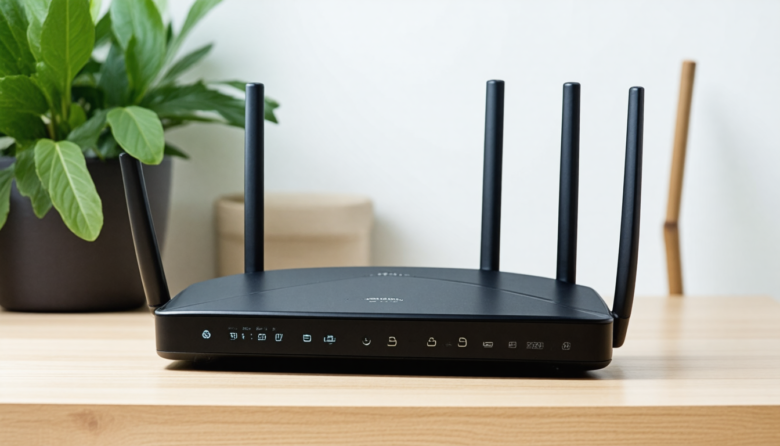
In today’s digital age, having a reliable and fast Wi-Fi connection is no longer a luxury but a necessity. As we step into 2026, the demand for high-speed internet and extensive coverage continues to rise, driven by the proliferation of smart home devices, remote work, and streaming services. Choosing the best Wi-Fi router for your home can be daunting with the myriad of options available. Many homeowners find themselves grappling with dead zones, slow speeds, and connectivity issues that disrupt their daily activities.
Imagine trying to join a crucial virtual meeting only for your internet to drop unexpectedly, or attempting to stream your favorite show but facing constant buffering. These scenarios are all too familiar and highlight the importance of selecting the right Wi-Fi router. In this guide, we’ll walk you through actionable steps to find the best Wi-Fi router for your needs, ensuring seamless connectivity and optimal performance.
We understand the frustrations of dealing with inadequate home networks, and we’re here to offer solutions tailored for 2026 and beyond. Our comprehensive guide will help you navigate the evolving landscape of Wi-Fi technology, offering insights into speed, coverage, and value.
Why This Problem Happens / Why This Topic Matters
- Increased Device Usage: Homes now have dozens of connected devices, from smartphones to smart appliances, all competing for bandwidth.
- Technological Advancements: New Wi-Fi standards and technologies, such as Wi-Fi 7, require updated hardware to fully benefit from their features.
- Home Layouts: Larger homes or those with complex layouts often face connectivity issues due to physical obstacles.
- Service Provider Limitations: Sometimes, the issue lies with the ISP-provided router, which may not meet modern demands.
- Future-Proofing Needs: As technology evolves, investing in a robust router today can save money and hassle in the long run.
Step-by-Step Core Guide / Main Solutions
1. Assess Your Home’s Coverage Needs
Understanding your home’s layout and size is crucial. Larger homes or those with multiple floors may require more robust solutions or additional hardware like mesh systems.
Why it Works: Tailoring your router choice based on your home ensures adequate coverage and minimizes dead zones.
Pro Tip: Use a Wi-Fi heatmap app to visualize weak spots in your home.
2. Understand Wi-Fi Standards
Familiarize yourself with the latest Wi-Fi standards, especially Wi-Fi 7, which offers increased speeds and reduced latency.
Why it Works: Staying updated with the latest standards ensures you’re getting the best performance available.
Pro Tip: Check if your devices support newer standards to fully utilize the router’s capabilities.
3. Evaluate Speed Requirements
Consider your internet speed plan and ensure your router can handle it. Look for routers that support gigabit speeds if you have a high-speed plan.
Why it Works: A router that matches your speed plan prevents bottlenecks and ensures smooth performance.
Pro Tip: Choose a router with MU-MIMO technology for better performance in multi-user environments.
4. Opt for Dual-Band or Tri-Band Routers
Dual-band routers provide two separate networks (2.4GHz and 5GHz), while tri-band adds an additional 5GHz band for even more bandwidth.
Why it Works: Multiple bands reduce congestion, improving speed and reliability.
Pro Tip: Assign bandwidth-heavy tasks to the 5GHz network for optimal performance.
5. Consider a Mesh Network
For larger homes, mesh networks provide seamless coverage by using multiple nodes.
Why it Works: Mesh systems eliminate dead zones and offer consistent speeds throughout your home.
Pro Tip: Position nodes strategically for best performance, avoiding interference from electronics.
6. Check for Advanced Security Features
Ensure your router has robust security features, such as WPA3 encryption, to protect your network from threats.
Why it Works: Enhanced security safeguards your data and connected devices from cyber threats.
Pro Tip: Regularly update your router’s firmware to patch security vulnerabilities.
7. Look for Quality of Service (QoS) Options
Routers with QoS allow you to prioritize traffic, ensuring critical applications receive the necessary bandwidth.
Why it Works: Prioritization improves performance for specific devices and applications, like streaming or gaming.
Pro Tip: Customize QoS settings based on your household’s internet usage patterns.
8. Evaluate App and Voice Assistant Integration
Modern routers often come with companion apps and support for voice assistants, adding convenience and control.
Why it Works: Simplified management and voice control enhance user experience.
Pro Tip: Ensure app compatibility with your smartphone’s OS for seamless integration.
9. Set a Budget and Compare Value
Determine your budget and compare features across different models to find the best value for your needs.
Why it Works: Balancing cost with features ensures you get the most out of your investment.
Pro Tip: Look for routers with future-proofing features to extend their usability.
10. Consider Warranty and Support Options
Choose a router with a solid warranty and accessible customer support for peace of mind.
Why it Works: Reliable support can save time and frustration if issues arise.
Pro Tip: Check online reviews to gauge the manufacturer’s customer service quality.
Advanced Optimization / Expert Tips
- Firmware Customization: Consider routers that allow firmware customization for advanced features and performance tweaks.
- Beamforming Technology: Opt for routers with beamforming to direct signals specifically to your devices, enhancing connection reliability.
- Energy Efficiency: Some routers offer energy-saving modes, reducing power consumption and costs.
Long-Term Maintenance / Best Practices
- Regularly Update Firmware: Keep your router’s firmware up-to-date for security and performance improvements.
- Reboot Periodically: Restart your router occasionally to clear memory and improve performance.
- Monitor Network Traffic: Use built-in tools to identify bandwidth hogs and optimize usage.
- Secure Your Network: Regularly change passwords and review connected devices for unauthorized access.
- Position Strategically: Place your router centrally and elevated for optimal coverage.
Frequently Asked Questions
What is the best Wi-Fi router for a large home?
For large homes, mesh systems like the Netgear Orbi or Google Nest Wi-Fi provide excellent coverage and eliminate dead zones.
Do I need a Wi-Fi 7 router in 2026?
Wi-Fi 7 offers significant speed and latency improvements. If you have high-speed internet and compatible devices, it’s a worthwhile investment.
How often should I replace my Wi-Fi router?
Typically, you should consider replacing your router every 3-5 years to keep up with technological advancements and maintain security.
Can I improve my router’s performance without buying a new one?
Yes, optimize placement, update firmware, and consider adding a mesh node to improve performance without purchasing a new router.
What security features should I look for in a router?
Look for WPA3 encryption, automatic firmware updates, and features like guest networking to enhance security.
Conclusion
Investing in the right Wi-Fi router transforms your home network, providing the speed, coverage, and reliability needed for today’s digital demands. By following our comprehensive guide, you can make an informed decision that meets your specific needs, ensuring seamless connectivity for years to come. Remember, regular maintenance and updates are key to sustaining optimal router performance. Embrace the future of home networking with confidence, staying connected and secure in our increasingly digital world.